Expert Basement Waterproofing NJ Tips for a Stronger Drier Home
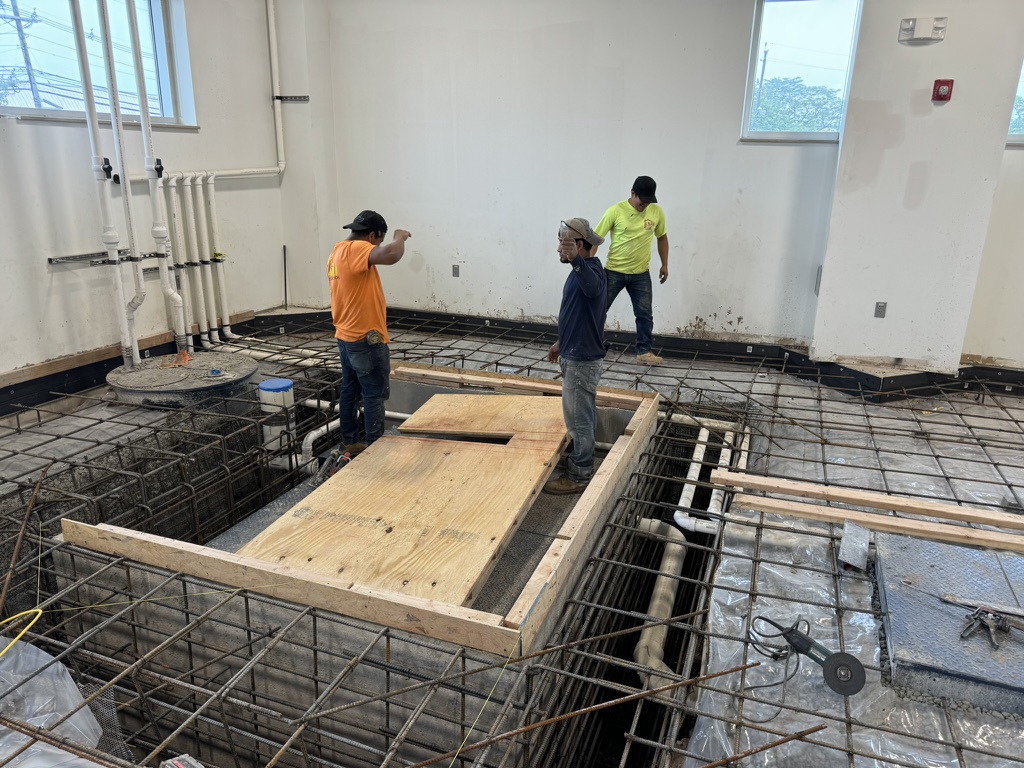
A dry basement does more than protect boxes and holiday decorations. It protects framing, flooring, mechanical systems, indoor air quality, and, in many New Jersey homes, the long-term value of the property itself. I have seen finished basements ruined by one hard summer storm, and I have also seen unfinished utility spaces quietly damage a house for years through humidity, mold, and hidden seepage. The difference usually comes down to one thing: whether the waterproofing plan matched the actual way water was moving around that home.
That matters in New Jersey because basements here deal with a difficult mix of weather, soil, and housing stock. Some homes sit on older foundations with hairline cracks that widen over time. Others were built in areas with high seasonal water tables, dense clay-heavy soils, or poor site drainage. Add freeze-thaw cycles, coastal storm patterns, and sudden heavy rains, and a basement that looked fine in spring can become a problem by late summer.
When homeowners search for Basement Waterproofing NJ services, they often expect a single fix. In practice, effective waterproofing is usually a system. It may involve grading, gutter discharge control, crack repair, sump management, interior drainage, vapor control, and careful humidity management. The right answer depends on where the water starts, how it enters, and how often the issue occurs.
Why New Jersey basements fail in predictable ways
Most basement moisture problems are not mysterious. Water follows pressure, gravity, weak points, and the path of least resistance. Around a home, several conditions can combine to create trouble.
One of the most common issues is hydrostatic pressure. After sustained rain, the soil around the foundation becomes saturated. That water presses against foundation walls and under the slab. Even a poured concrete wall that looks solid can allow seepage through cracks, tie rod holes, wall-floor joints, and porous sections. Block foundation walls are especially vulnerable because water can collect within the block cores and find openings indoors.
Site drainage is another frequent culprit. In many neighborhoods, downspouts dump water too close to the house, or the yard pitches toward the foundation instead of away from it. A surprising number of wet basements are linked to simple exterior drainage failures, not failed foundations. I have walked properties where one buried downspout had clogged solid, forcing roof runoff to pour directly against the house every time it rained. Inside, the homeowner assumed the problem was a wall crack. The wall crack existed, but the downspout created the pressure that made it leak.
New Jersey’s climate adds another layer. Winter freeze-thaw movement can stress cracks and joints. Summer humidity can make an otherwise dry basement feel damp and musty, leading homeowners to confuse condensation with seepage. Coastal and low-lying areas may experience persistently high groundwater, while inland homes can be hit by sudden runoff from storms that overwhelm weak drainage systems.
Older homes deserve special mention. Many have stone or block foundations, aging mortar, and retrofitted basement finishes that trap moisture behind wall systems. Those basements often need a more careful approach than simply sealing a visible crack and hoping for the best.
What “waterproofing” actually means
The word gets used loosely. Some contractors use it to describe an interior drain and sump pump. Others mean exterior excavation with membranes and footing drains. Hardware stores use it for masonry paint. Homeowners hear all of those and understandably assume they are interchangeable. They are not.
Real waterproofing starts with diagnosis. The goal is to figure out whether the problem is bulk water intrusion, vapor diffusion, condensation, or some combination of the three. Bulk water is the obvious one: liquid water entering through cracks, joints, windows, or the cove where the wall meets the floor. Vapor diffusion is moisture passing through porous materials, even when no visible leak exists. Condensation forms when humid air meets cool surfaces such as foundation walls, pipes, or concrete slabs.
Each issue calls for a different response. If basement windows leak during wind-driven rain, the answer may involve window wells, covers, and drainage improvements. If the wall-floor joint leaks during storms, an interior perimeter drainage system may be the most practical option. If the basement smells musty all summer but never actually puddles, the fix might be air sealing, insulation adjustments, and a properly sized dehumidifier.
This is where experience matters. A contractor who treats every damp basement the same often oversells one product and misses the true cause.
The signs that deserve immediate attention
Homeowners often wait too long because the early signs seem minor. A little white residue on the wall. One corner that smells earthy in August. Carpet tack strips showing rust. Paint bubbling near the slab. These are not cosmetic annoyances. They are warnings.
Efflorescence, the white chalky deposit on masonry, tells you water has moved through the wall and left mineral salts behind. It does not always mean active leaking at that moment, but it proves moisture travel. Dark staining at the base of a wall often points to water entering at the cove joint. Horizontal cracking can indicate structural pressure, especially in block walls. Even if the crack is not actively leaking today, it deserves attention because the same outside pressure that moves water can also move walls.
Odor is another strong clue. A basement that smells musty after rain but looks dry may still be holding moisture in framing, drywall, or flooring layers. Once organic materials stay above safe moisture content long enough, mold growth becomes likely. Not every smell means extensive contamination, but it does mean you should not dismiss the space as “just a basement.”
Watch your mechanical room too. Rusting furnace bases, corroded water heater jackets, and sweating ductwork often tell the story before the walls do.
Interior systems versus exterior systems
This is one of the biggest decision points in Basement Waterproofing NJ work, and there is no honest one-size-fits-all answer.
Exterior waterproofing attacks the problem at its source. That usually means excavating down to the footing, cleaning and repairing the outside foundation wall, applying a true waterproof membrane, and installing or replacing footing drainage. When done well, it is highly effective. It can be the best option for severe exterior wall penetration, failed old coatings, or foundations undergoing broader structural and drainage work.
The trade-off is cost and disruption. Excavation can be significant. Walkways, decks, plantings, patios, and driveways may complicate access. In tightly spaced suburban lots, full exterior excavation may be difficult or impractical. If the home has only one leaking corner and the rest of the drainage picture is manageable, a full exterior dig may be more than necessary.
Interior drainage systems work differently. They do not stop water from reaching the foundation wall. Instead, they control and redirect water once it enters or reaches the footing area, sending it to a sump basin for removal. Properly installed systems can be very reliable and are often the most practical approach for recurring seepage at the wall-floor joint or under-slab pressure. They are less invasive to the exterior and often more cost-effective.
The mistake is thinking interior drainage makes every basement “waterproof” in the literal sense. It manages water very well, but if the wall itself is deteriorating, bowing, or allowing large volume intrusion through major cracks, additional repairs may be needed. Some homes need both exterior correction and interior control.
A careful contractor will explain not just what system they recommend, but why that system fits your specific failure pattern.
Crack repair is not all the same
Homeowners hear “we can seal that crack” and assume the issue is solved. Sometimes it is. Sometimes it is not.
For poured concrete walls, non-structural cracks that leak can often be repaired from the interior using polyurethane or epoxy injection. Polyurethane is typically used when active water is involved because it expands and helps seal wet cracks. Epoxy can restore structural continuity in appropriate situations, though it is less forgiving if moisture is active during installation. The choice depends on wall condition, crack behavior, and water presence.
For masonry block walls, the situation is different. Water may not be entering only where you see it. It can travel inside the block cores and emerge several feet from the source. Sealing one visible crack on the interior of a block wall may not solve the hidden pathway.
There is also a judgment call around crack movement. A hairline shrinkage crack in stable poured concrete is one thing. A crack that widens seasonally, offsets, or accompanies wall displacement is another. That is no longer a simple waterproofing issue. It becomes a structural assessment issue too.
Sump pumps are small machines with enormous consequences
A sump system often stands between a manageable wet basement and a major loss. Yet many homeowners know almost nothing about the pump until it fails during a storm.
In New Jersey, where intense rainfall can arrive fast, sump reliability matters. A quality primary pump installed in a properly sized basin is only the start. Discharge location matters just as much. I have seen excellent pumps rendered nearly useless because the discharge line emptied too close to the house or froze in winter. Water left the basin, then circled back into the soil against the foundation.
Battery backup or water-powered backup systems deserve serious consideration, especially in areas prone to outages during storms. The exact best choice depends on utility setup, municipal water availability, and budget, but relying on a single pump with no backup is a gamble. Storms that create the most pumping demand are the same storms most likely to knock out power.
A well-designed sump setup should also include a lid appropriate for the environment, check valve placement that limits backflow, and a discharge route that remains clear and legal. In some municipalities or property configurations, discharge details deserve extra scrutiny. Local code and practical drainage conditions both matter.
Humidity control is part of waterproofing, not an afterthought
A basement can be “dry” by leak standards and still be unhealthy. Relative humidity that stays too high encourages mold, mildew, and that familiar stale smell. It can also warp finishes, swell trim, and make the entire home feel less comfortable.
Summer basements in New Jersey commonly pull in warm humid air that cools on contact with concrete surfaces. Homeowners sometimes open windows hoping to dry the space out, but in humid weather that often makes the problem worse. The basement feels breezy, but moisture load increases.
A dedicated dehumidifier, ideally one sized for basement conditions rather than a small portable unit from a big box store, is often the better approach. The target is not desert-dry air. It is steady control, typically in a moderate range that discourages mold without wasting energy. If the basement is finished, insulation and air sealing strategy also matter. Insulating the wrong surfaces the wrong way can trap moisture where you do not want it.
This is why paint-only “waterproofing” claims should be treated with caution. Coatings can have a place in a broader system, but they do not fix hydrostatic pressure, grading problems, or chronic humidity by themselves.
Exterior details that make a bigger difference than people expect
A lot of wet basement calls begin outside, even when the symptoms show up indoors. Simple site details are often overlooked because they are not dramatic. They should not be.
Here are five exterior issues worth checking https://johnathanhhgi569.yousher.com/basement-waterproofing-nj-why-quick-action-matters-after-water-intrusion before anyone starts talking about major interior demolition:
- Downspouts that discharge too close to the foundation.
- Gutters that overflow because of clogging or poor pitch.
- Soil or mulch piled high against siding and foundation walls.
- Hardscapes, including patios and walkways, that pitch back toward the house.
- Window wells without drainage or with debris buildup.
Each one can increase moisture loading around the foundation. Correcting them will not cure every basement, but they often reduce the severity of the problem and make any interior solution work better. I have seen homes where extending downspouts and regrading a stubborn side yard reduced seepage enough that the owner postponed a much larger project for years.
Finished basements raise the stakes
Waterproofing an unfinished utility basement is one thing. Waterproofing a finished living space is another. Once drywall, flooring, insulation, trim, and built-ins are involved, even small moisture events become expensive.
The biggest mistake I see in finished basements is building them as if they were above grade. Standard fiberglass batts against foundation walls, wood studs tight to damp masonry, carpet pad over a slab with marginal moisture control, and low outlets placed where water will reach them first, all of it creates avoidable risk.
A basement that has ever shown signs of moisture should be finished defensively. Materials and assemblies matter. Rigid foam or other moisture-tolerant insulation strategies usually outperform cavity-only approaches against foundation walls. Flooring should be selected with the slab’s moisture behavior in mind. Mechanicals and storage should be elevated when feasible. If there is a sump, access for service must remain easy.
This does not mean every finished basement needs to look industrial. It means the hidden layers should respect the reality of the space.
Choosing a contractor without getting sold the wrong fix
The waterproofing industry includes excellent specialists and aggressive sales operations. The difference often becomes clear in the inspection.
A strong contractor spends time identifying where water originates, when it appears, and what previous repairs have or have not done. They ask whether the issue follows heavy rain, snowmelt, plumbing use, or summer humidity. They look at the lot, not just the interior wall stain. They explain trade-offs and do not act as though every house needs the same package.
When evaluating Basement Waterproofing NJ companies, pay close attention to what they are willing to explain in plain language. A proposal should make sense to you before you sign it.
A reliable contractor should be able to answer these questions clearly:
- What is the most likely source of the water or moisture, and what evidence supports that view?
- Why is this system better for my house than a less expensive or more invasive option?
- What maintenance will this solution require over time?
- What parts of the problem does this proposal solve, and what parts does it not solve?
- How will discharge, backup power, and service access be handled?
Notice that none of those questions ask for a sales pitch. They ask for diagnosis and accountability. If the answers stay vague, keep looking.
Cost, value, and the danger of false economy
Basement waterproofing prices vary widely because scopes vary widely. A simple crack injection is not the same as a full perimeter drain with sump replacement, and neither compares to exterior excavation with membrane work and drainage correction. Exact numbers depend on access, soil conditions, finish level, region, and how much ancillary repair is needed.
That said, homeowners often lose money by choosing the cheapest fix to the wrong problem. Painting over moisture staining is a classic example. So is replacing basement flooring before resolving humidity or seepage. Another expensive mistake is ignoring minor leakage because “it only happens once or twice a year.” Those are often the very conditions that produce the biggest insurance headaches and mold remediation bills later.
Value comes from durability and fit. A properly designed interior drainage system that solves a recurring seepage issue for many years is good value. So is investing in exterior work when site conditions make interior-only solutions incomplete. The best spending choice is the one that actually matches the building science and the construction reality of your home.
Seasonal timing matters in New Jersey
The ideal time to evaluate a basement is not always when it is bone dry. If possible, inspect during or shortly after the conditions that normally trigger the problem. Water patterns, damp spots, pump cycling, and exterior runoff are easiest to understand when they are active.
Spring often reveals snowmelt and groundwater issues. Summer highlights humidity and condensation. Late summer and early fall storms can expose gutter overflow, poor grading, and window well failures. Winter brings freeze risks to discharge lines and can reveal air leakage that increases condensation.
That seasonal rhythm is one reason homeowners should document what they see. Take photos. Note the weather. Record where the water appeared and whether the sump was running. Patterns help separate one-off events from system failures.
Maintenance keeps good waterproofing from becoming bad waterproofing
Even an excellent installation needs some attention. Pumps age. Discharge lines clog. Gutters fill. Grading changes after landscaping projects. The house settles a bit, and water tests new paths.
A short annual check can prevent a lot of trouble. Test the sump. Confirm the backup system is functional. Walk the downspouts during rain if you can do so safely. Look for ponding near the foundation. Check that dehumidifier drains remain clear. If the basement is finished, do not ignore subtle clues like baseboard swelling, musty smells, or isolated flooring changes.
This is not glamorous homeownership, but it is effective homeownership.
A stronger drier home starts with the right diagnosis
The best basement waterproofing work is often invisible once it is complete. You do not think about it because the basement smells clean, the walls stay dry, the pump works when it should, and storms no longer make you uneasy. That outcome is rarely the result of luck or a miracle coating. It comes from understanding the house, the lot, the weather, and the mechanics of water.
For New Jersey homeowners, that means respecting local conditions. Basements here live hard lives. They deal with wet seasons, older foundations, variable soils, and increasingly intense rain events. A stronger drier home is absolutely achievable, but only if the solution matches the actual problem.
If your basement has shown even modest warning signs, treat them seriously. The earlier you diagnose moisture movement, the more options you usually have, and the less invasive those options tend to be. Good Basement Waterproofing NJ work is not about selling fear. It is about protecting the structure you already own with methods that make sense for that structure, that site, and that climate.
ARD Waterproofing
Address: 98 Smull Ave, West Caldwell, NJ 07006
Phone number: +12016465936
FAQ About Basement Waterproofing NJ
What is the best waterproofing method for a basement?
The best overall approach to waterproofing a basement is a combined exterior and interior system that stops water at the foundation wall and safely manages any moisture that gets through.
What is the average cost to waterproof a basement?
The average cost to waterproof a basement ranges from $2,500 to $15,000, with most homeowners paying around $5,200 for a complete project.
Can a basement be waterproofed from the inside?
Yes, a basement can be waterproofed from the inside, and it is often the most affordable and least disruptive method.